As students head back to school, educators, therapists, and other child-serving professionals are in a unique position to observe signs of distress, abuse, or neglect that may have gone unnoticed during the summer months. This time of year is a crucial reminder of our role as mandated reporters and the importance of understanding the signs of neglect.
🛡 What is a Mandated Reporter?
A mandated reporter is someone who is legally required to report any suspected abuse or neglect of a child. This doesn’t mean having proof — just reasonable suspicion is enough to trigger the duty to report. Failing to do so can result in legal consequences and, more importantly, ongoing harm to the child.
Common mandated reporters include:
- Teachers and school staff
- Therapists, social workers, and counselors
- Doctors, nurses, and other healthcare professionals
- Childcare providers
- Law enforcement officers
- Clergy (in some states and circumstances)
Even if you’re unsure whether you qualify as a mandated reporter, if you work with children or adolescents, it’s important to know the signs and act in their best interest.
🚨 Types of Neglect to Watch For
Neglect is the most common form of child maltreatment, yet often the hardest to recognize. It occurs when a caregiver fails to provide for a child’s basic needs. Here are the main types:
1. Physical Neglect
Failing to provide food, clothing, hygiene, shelter, or supervision. This might look like:
- Chronically dirty clothes or poor hygiene
- Inappropriate clothing for the weather
- Frequent reports of being left home alone
2. Educational Neglect
Allowing a child to miss excessive amounts of school or failing to provide necessary special education services. Examples:
- Chronic absenteeism without medical explanation
- Refusal to enroll a child in school
- Ignoring a child’s IEP or 504 Plan needs
3. Medical Neglect
Not providing or refusing necessary medical or mental health treatment. Signs may include:
- Untreated injuries or illnesses
- Skipping essential mental health appointments
- Ignoring recommendations for therapy, medication, or diagnostics
4. Emotional Neglect
Failing to meet a child’s emotional needs for love, security, and support. This can include:
- Severe rejection or criticism at home
- Exposure to chronic domestic violence
- Lack of nurturing or affection
🏫 Why Back to School Matters
The start of the school year may be the first time in months that children are seen regularly by adults outside their home. Teachers and counselors might notice:
- A drastic change in mood or behavior
- Signs of hunger or fatigue
- Unexplained injuries
- Anxiety or fearfulness around adults
This is when vigilance matters most. Even subtle signs may be significant.
📞 What to Do If You Suspect Neglect
If you’re a mandated reporter and suspect neglect:
- Document what you’ve observed. Stick to facts: what the child said, what you saw, and when.
- Report your concerns to the appropriate state agency or child protection hotline. You do not need permission from your supervisor or the child’s guardian.
- Follow your school or organization’s internal protocols, but remember: your legal obligation is to report, not to investigate.
🧠 A Note for Mental Health Providers
As clinicians, we may see signs others miss—emotional distress, disorganized behavior, or disclosures of unsafe home environments. We are in a powerful position to advocate for our clients, and that means trusting our instincts and training. If a child mentions anything that raises concern—even indirectly—it’s okay to make a report just in case. Better to report unnecessarily than to overlook a child in danger.
❤️ Final Thoughts
Mandated reporting can be emotionally challenging, especially when it involves families we know well or have been working with long-term. But it’s also one of the most powerful tools we have to protect children. This back-to-school season, let’s recommit to being attentive, compassionate, and courageous when it comes to the safety of our students and clients.
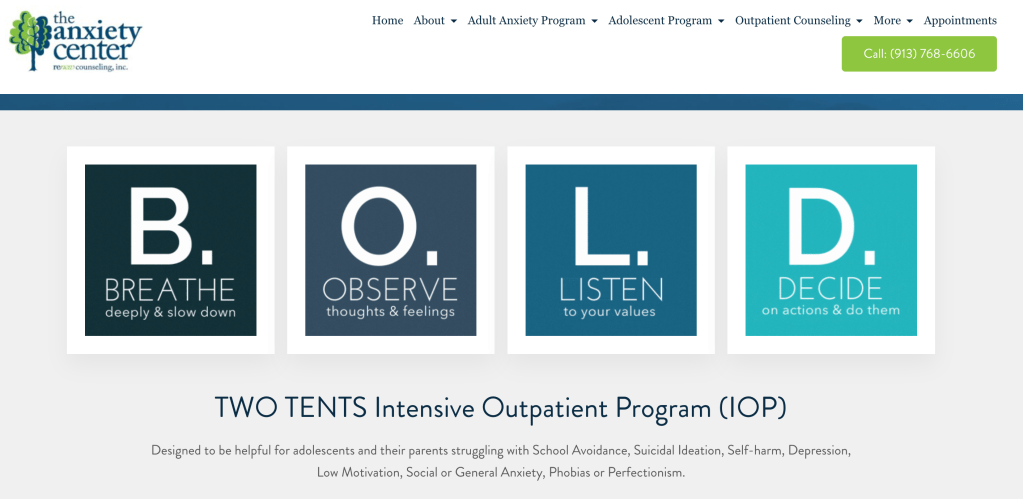
Looking for a great Parenting Program?
Check out the B.O.L.D. Program through The Anxiety Center.
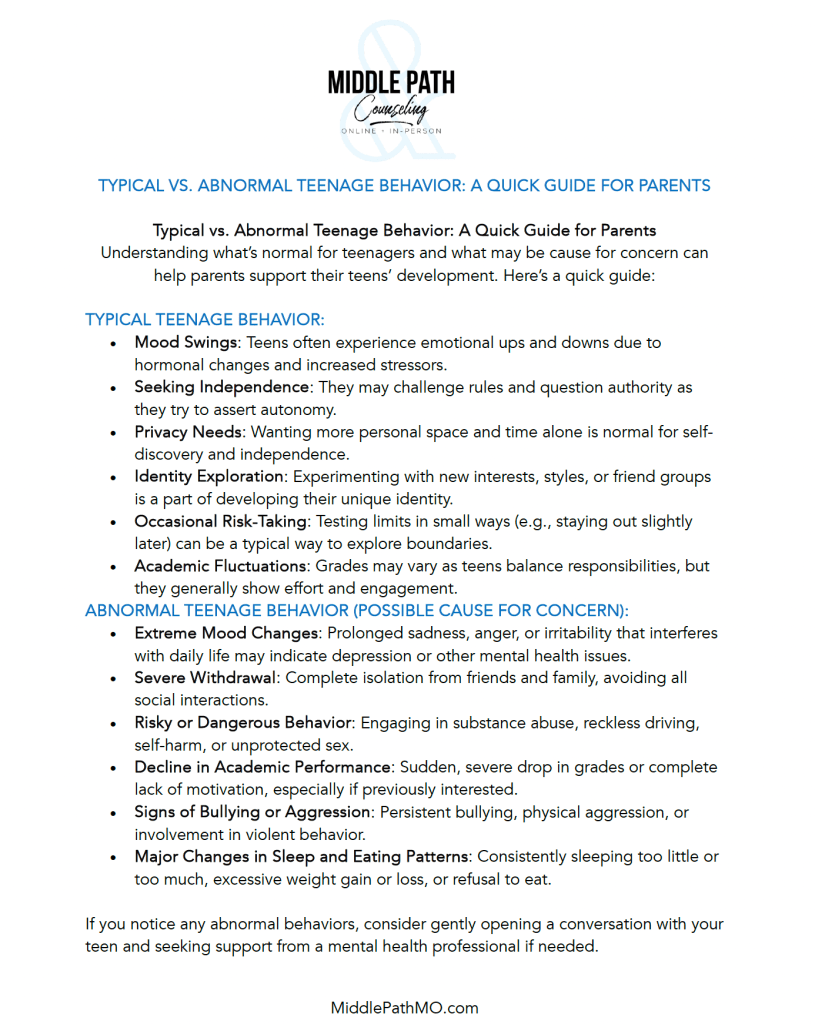
If you need more help on Typical vs Abnormal Teenage behavior
please see resource below:
Need more resources?
Reach out for an Appointment by calling 816.500.2070 or email: admin@middlepathmo.com
 Middle Path Counseling MO