
Understanding teenage behavior can be challenging, as adolescence is a time of significant change and development. It’s important to distinguish between typical teenage behaviors, which are part of normal development, and concerning behaviors that may indicate underlying issues. Here’s a comparison to help differentiate between the two.
Typical Teenage Behaviors
- Seeking Independence: Wanting more privacy, spending more time with friends, and making decisions without parental guidance.
- Mood Swings: Experiencing rapid changes in mood due to hormonal changes, which is normal during adolescence.
- Experimentation: Trying new things, such as changing hairstyles, exploring new music, or adopting different fashion styles.
- Challenging Authority: Questioning rules and expressing disagreement with parents or teachers as they develop their own identity and values.
- Increased Focus on Peer Relationships: Valuing friendships highly and sometimes prioritizing them over family time.
- Erratic Sleep Patterns: Staying up late and sleeping in, due to changes in their biological clock.
Concerning Teenage Behaviors
- Withdrawal from Social Activities: Sudden lack of interest in spending time with friends or family and withdrawing from activities they used to enjoy.
- Extreme Mood Swings or Emotional Distress: While mood swings are normal, persistent sadness, anxiety, or mood swings that interfere with daily life may be concerning.
- Risky Behaviors: Engaging in dangerous activities, such as reckless driving, substance abuse, or unprotected sex, which could have serious consequences.
- Decline in Academic Performance: A noticeable drop in grades or loss of interest in schoolwork that cannot be attributed to typical academic fluctuations.
- Changes in Eating or Sleeping Habits: Significant changes, such as eating much more or less than usual or suffering from insomnia or excessive sleeping, could indicate underlying issues.
- Signs of Self-Harm or Suicidal Ideation: Any evidence of self-harm or expressions of suicidal thoughts or feelings is a serious concern that requires immediate attention.
It’s essential for parents, educators, and caregivers to recognize the difference between behaviors that are part of normal teenage development and those that may signal deeper issues. Open communication, support, and, when necessary, professional help are crucial in addressing any concerning behaviors. Remember, the goal is to guide teenagers through this challenging phase with understanding and empathy, helping them emerge as healthy, well-adjusted adults.
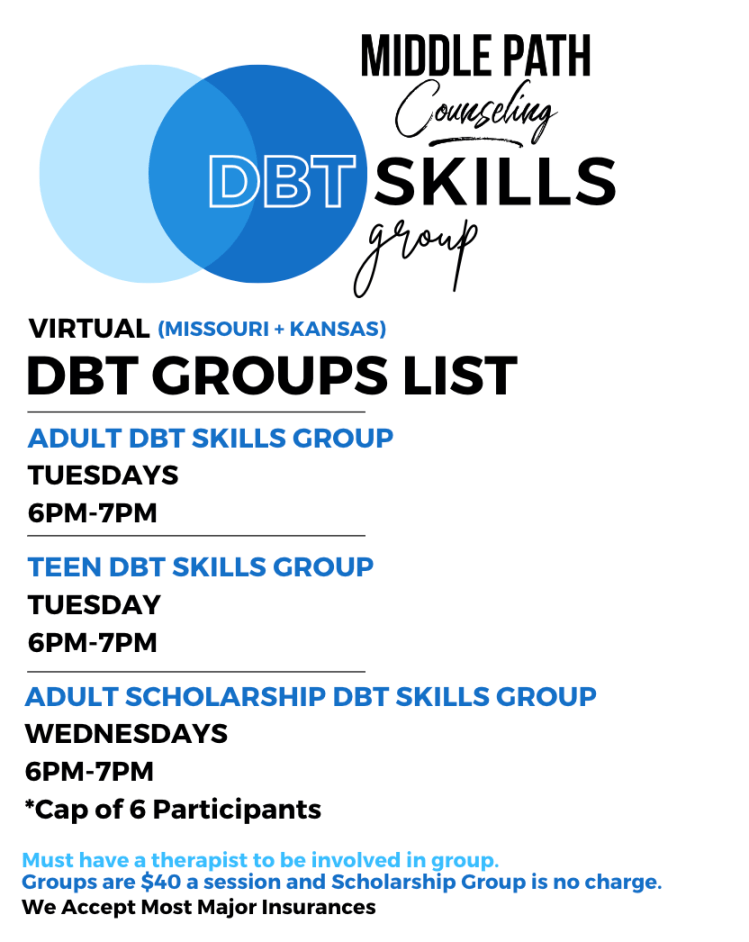
Want to attend a Teen DBT Skills group? We have one on Tuesdays from 6-7 via zoom.
Email us to find out more: Rachael@middlepathmo.com
 Middle Path Counseling MO